Brandy 101: What It Is, How It’s Made, and How to Enjoy It

6 min read | 26 հնս, 2026
What Is Brandy? A Beginner's Guide to Types, Tasting, and How to Drink It
If you thought brandy was just Cognac in a fancy glass, think bigger.
Brandy can be made from grapes, apricots, pears, plums, peaches, apples, mulberries, cherries, and cornel — any fruit that had the good fortune of being fermented, distilled, and sometimes aged into something far more interesting than the tree it came from. A grape can become something warm, amber, and quietly complex. An apricot can become something bright and sun-warmed. A pear can turn into a clean, floral spirit that smells like an orchard decided to dress up for the evening.
This guide covers what brandy is, the main types, what it tastes like, and how to enjoy it. Along the way, we'll use Ohanyan's Armenian grape brandies and ARTSAKH fruit brandies as real examples.
Quick Answer: What Is Brandy?
Brandy is a distilled spirit made from fermented fruit juice, mash, or wine. Most classic brandies are made from grapes, but the category extends to fruits like apricot, pear, plum, peach, apple, mulberry, cherry, and cornel.
Fruit gives brandy its character. Distillation gives it strength. Aging gives it depth.
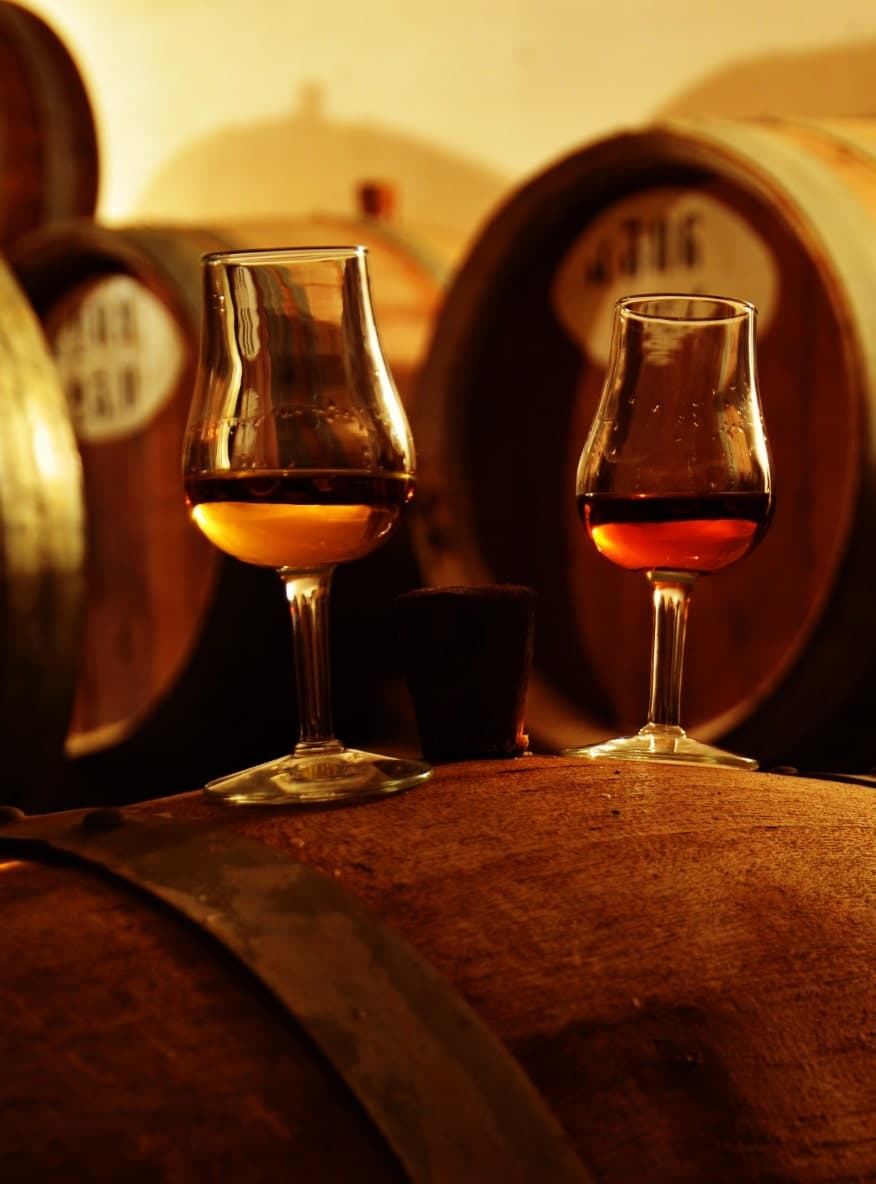
Some brandies spend years in wooden barrels, picking up color and developing notes of vanilla, caramel, toasted nuts, and warm spice. Others skip the barrel entirely and stay clear, keeping the fruit front and center. That's why one brandy can taste deep and oak-aged while another smells almost like biting into ripe fruit.
What Is Brandy Made From?
Beginners should start with two big families: grape brandy and fruit brandy.
Grape Brandy
Grape brandy is made from fermented wine or grape-based material. Famous styles like Cognac, Armagnac, Brandy de Jerez, and many Armenian brandies are all grape-based.
When grape brandy spends time in oak, the fresh grape character softens. The color shifts from clear to gold to amber. The texture gets rounder, almost silky. And the flavor evolves toward raisins, warm honey, baking spice, and the faintest memory of the barrel itself. Young grape brandy tends to feel lighter and more direct. Older grape brandy slows everything down.
Fruit Brandy
Fruit brandy is made from fruits other than grapes — apricot, pear, plum, peach, apple, mulberry, cherry, cornel.
This is where brandy gets expressive. Pear brandy can smell clean and floral. Apricot brandy can feel soft and sun-warmed. Plum brandy leans richer, with a slight earthiness. Mulberry brandy brings a darker, more brooding character.
ARTSAKH, Ohanyan's fruit brandy line, demonstrates this well. Their wild pear, plum, peach, mulberry, cornel, and apricot expressions each taste distinctly like the fruit they came from. And some go further: ARTSAKH Apricot is available in unaged, 5-year, and 10-year versions, while the mulberry line comes in Silver, Gold, and Platinum tiers — proof that fruit brandy can age with real grace.
How Is Brandy Made?
The core idea is simple: fruit becomes alcohol, alcohol becomes spirit, and the spirit may become deeper through aging.
The fruit is harvested (quality matters — no distillation trick fixes boring fruit), then fermented as yeast turns natural sugars into alcohol. For grape brandy, this often starts with wine. For fruit brandy, it may begin with crushed fruit or fermented juice.
Next comes distillation, where the fermented liquid is heated and alcohol vapors are collected and condensed. This concentrates the fruit's character and turns up the volume on aroma and flavor. After that, the spirit may be aged in oak barrels, where it gains color, softness, and complexity — or it may be kept young to protect fresh fruit aroma.
Finally, blending balances the final bottle. One spirit may bring aroma, another depth, another length on the palate. Ohanyan shows this in two directions: the OHANYAN Brandy line focuses on aged grape brandies where years in oak build layered complexity, while the ARTSAKH line lets the harvest itself be the star.
Quick tip: Taste a grape brandy and a fruit brandy side by side. One shows what time and oak can do. The other shows what the fruit can say on its own.
What Does Brandy Taste Like?
Grape brandy, especially when aged, often brings dried apricot, fig, raisin, and a warmth somewhere between caramel and toffee. Older bottles can develop nuttiness and a finish that lingers longer than expected.
Fruit brandy stays closer to its source — ripe pear, stone fruit, fresh apple, floral notes, or a subtle peppery finish. The flavors are more direct, less buried under wood.
A clear pear brandy and a 15-year-old grape brandy are both brandy, but they do completely different jobs. When tasting, notice what arrives first: fruit, warmth, spice, sweetness — and what stays behind after you swallow.
Types of Brandy Beginners Should Know
Cognac
Grape brandy from the Cognac region of France, made under strict protected rules. Cognac is brandy, but not all brandy is Cognac — Armenian, Spanish, and fruit brandies are not Cognac, and none of them needs to be. Cognac is aged in French oak and tends to bring dried stone fruit, florals, baking spice, and a polished finish.
Armagnac
Another French grape brandy, but often described as more rustic and earthier. If Cognac wears a tailored suit, Armagnac shows up with more character and a better story to tell.
Brandy de Jerez
Spanish grape brandy from the Jerez region, aged using the solera system — where older and younger spirits are blended continuously across stacked barrels. Expect dried fig, walnut, caramel, and a warmth that feels almost dessert-like.
Calvados
Apple (and sometimes pear) brandy from Normandy. Expect orchard fruit, baked apple, cinnamon-like spice, and a warmth that feels more like a kitchen than a cellar.
Armenian Brandy
Usually grape-based and aged in oak, drawing on a winemaking tradition thousands of years old. Armenia's Ararat Valley, with its volcanic soil and extreme seasons, produces grapes with an intensity that carries through into the final spirit.
The most famous story involves Winston Churchill. At the 1945 Yalta Conference, Stalin offered Churchill a glass of Armenian Dvin brandy. Churchill was reportedly so impressed that he requested 400 bottles shipped to him every year. Whether the exact numbers are legend or fact, the reputation stuck.
Today, producers like Ohanyan continue to explore both sides. The OHANYAN aged grape brandies (3, 5, 7, XO, and TEHLIRIAN) show how time in oak deepens a spirit. The ARTSAKH fruit brandies show the other half — that Armenia's brandy story is also about apricot orchards, wild pear trees, and mulberry groves.
Fruit Brandy
Made from fruits such as apricot, pear, plum, peach, apple, mulberry, cherry, or cornel. If grape brandy speaks through oak and patience, fruit brandy speaks through harvest and place.
What Do Brandy Age Labels Mean?
VS, VSOP, and XO are mostly Cognac-style labels, referring to the minimum age of the youngest spirit in a blend. XO, for example, requires at least 10 years.
Numbered age statements (3, 5, 7, 10, 15 years) are more intuitive. OHANYAN 3 suggests a brighter profile. OHANYAN 7 brings more wood influence. OHANYAN XO enters slower, more layered territory.
Older does not automatically mean better. Younger brandy can be lively and great in cocktails. Fruit brandy can be stunning without heavy aging. And some fruit brandies reward patience too — ARTSAKH Apricot comes in unaged, 5-year, and 10-year expressions, showing what oak does to fruit character over time.
How to Drink Brandy
No fireplace required. No velvet chair.
Start with a small pour. Smell before you sip. For aged grape brandy, try it neat first — use a snifter if you have one, bring it toward your nose gently (not deep into the glass), and take a small sip. Pay attention to texture, warmth, and what lingers.
If neat feels too strong, add one ice cube or a few drops of water to open the aroma.
Brandy also works well in cocktails — the Sidecar (brandy, orange liqueur, lemon juice), Brandy Alexander (brandy, crème de cacao, cream), or a simple Hot Toddy with lemon and honey. If mixing isn't your thing, ready-to-drink options are growing — Ohanyan's Bubble Sips line offers canned cocktails in combinations like cherry and orange, peach with mandarin and mint, or pomegranate and mint.
What Foods Pair Well with Brandy?
Aged grape brandy likes richer company: dark chocolate, roasted nuts, aged cheese, caramel desserts, honey cake, and roasted meats. Fruit brandy goes better with lighter, fruit-forward foods: apricot pastries, pear tarts, plum cake, soft cheese, and almond sweets.
Simple rule: match the mood of the glass.
How to Choose Your First Brandy
If you want warmth, depth, and a smooth texture, choose grape brandy. A younger bottle (3 or 5 years) is lighter and easier to mix. An older one is better for sipping neat.
If you prefer clear fruit aroma, go for fruit brandy. Apricot, pear, and plum brandies are strong starting points. If you want something even lighter, Ohanyan's 41 BY OHANYAN line — available in apricot, mulberry, cornel, and pomegranate — is designed for drinkers who want quality fruit brandy at a gentler intensity.
Common Mistakes Beginners Make
Serving it too warm. Room temperature is enough. Heating it pushes the alcohol forward and buries the flavor.
Drinking it too fast. Brandy is built for small sips.
Thinking all brandy tastes like Cognac. Brandy can be Armenian, Spanish, apple-based, fruit-based, young, aged, clear, or deeply oak-aged. One bottle is not the category.
Ignoring fruit brandy. Big miss. It's one of the easiest ways to understand brandy because the fruit is right there in the glass.
FAQ
Is brandy the same as Cognac?
No. Cognac is a specific type of brandy from the Cognac region of France under strict production rules. Brandy is the broader category that includes Cognac alongside many other styles.
Is brandy sweet?
Brandy can taste sweet because of natural fruit notes, caramel from aging, or honeyed warmth from oak. But many brandies are technically dry spirits — the sweetness is often aromatic rather than sugar-based.
What is the best way to drink brandy?
Aged grape brandy is often best neat, with one ice cube, or with a few drops of water. Younger grape brandy works well in cocktails. Fruit brandy is often enjoyable neat or slightly chilled.
Is Armenian brandy different from Cognac?
Yes. Armenian brandy has its own grape varieties, climate, production traditions, and flavor profile. Both are grape brandies, but they express different terroirs and different philosophies.
Final Sip
Brandy becomes easier to understand when you stop treating it like one drink and start seeing it as a world built around fruit and what happens next.
A young grape brandy may feel bright and direct. An older bottle may unfold slowly, with layers that keep shifting. A fruit brandy may carry the scent of an orchard in late summer, or a fruit you know well but have never tasted quite like this.
Pour a small glass. Smell before you sip. Notice what shows up first — and what stays behind.
Please enjoy responsibly. This article is intended for readers of legal drinking age.